Mechanial vs Electronic Coin Mechs: What's the Difference?
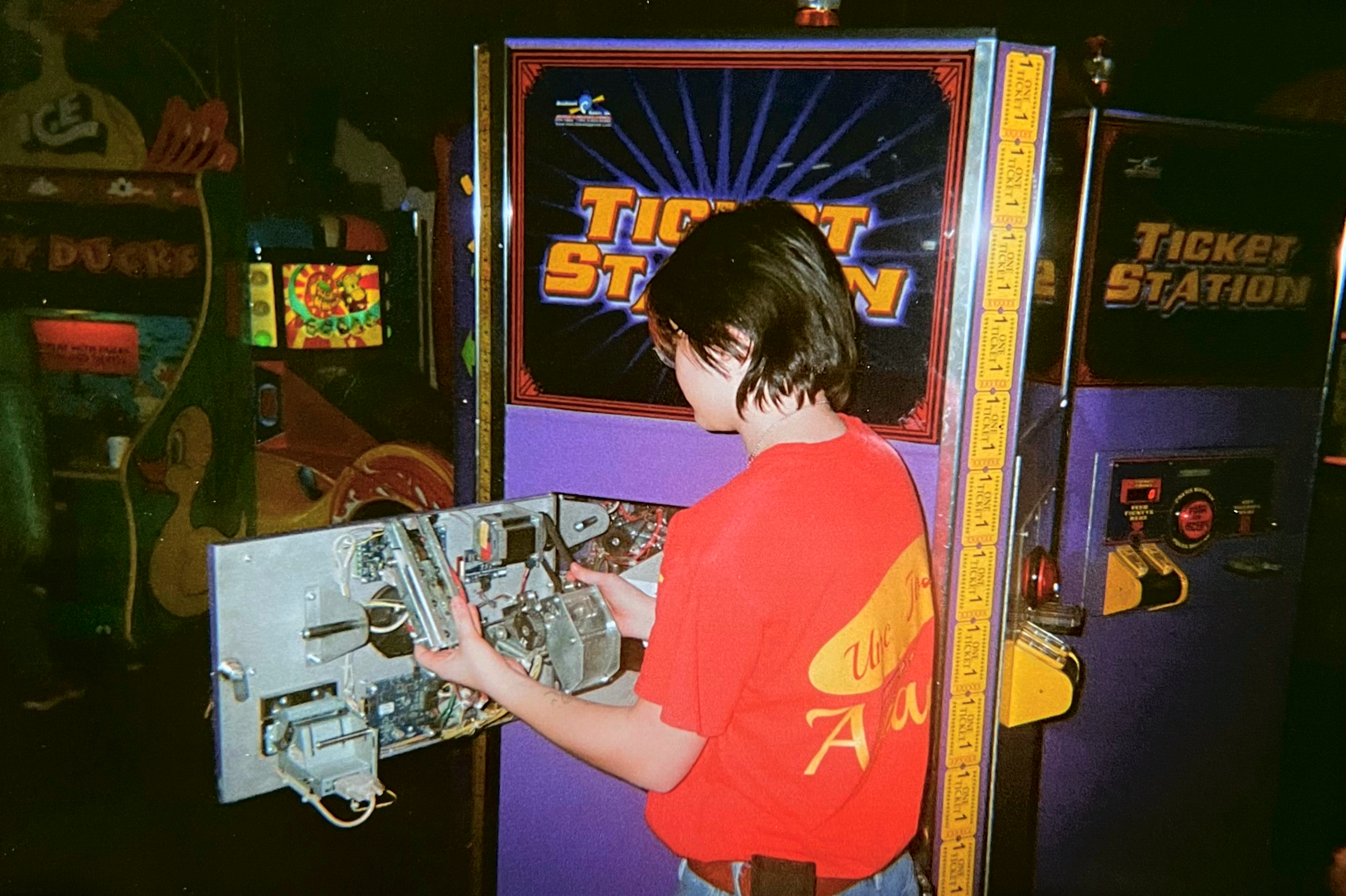
When you're tinkering with arcade machines, one thing you'll often come across is the coin mech. These gadgets handle how coins get accepted and credited to the game--fancy, I know--especially since much of the FEC world has moved on to swipe cards. Still, knowing the ins and outs of both types is super important for arcade techs. You never know when you'll encounter one.

What Is a Mechanical Coin Mech?
Mechanical coin mechs are the traditional coin acceptors found in many classic arcade machines. They rely on physical parts such as springs, doors, and wired microswitches to detect and accept coins. When a coin is inserted, it moves through a series of mechanical gates and triggers the switch to register the coin.

How They Work
The coin enters the slot and drops through the initial chute.
The coin then drops through the outlet on the main mech, which has 2 flaps and will measure if the coin fits.
These are custom made to the size of the coins you want to accept--no other sizes will work!!
If it is the correct diameter, it will pass through the mech and trigger the wired switch.
The switch sends a signal to the arcade machine to credit the coin--go ahead and play your game now :)
Once past the switch, the coin drops into the coin box. Yay!
Mechanical coin mechs are pretty simple and durable. They don't require power to operate the rejector, which makes them reliable in older arcade setups.
Advantages of Mechanical Coin Mechs
Durability: Fewer electronic parts means less chance of failure (take it from someone who works with all kinds of different coin mechs in the span of a day)
Simplicity: Super easy to repair with basic tools and replacement parts.
Disadvantages of Mechanical Coin Mechs
Less flexible: Can't easily change to different coin types without replacing the main mechanism. This isn't usually an issue, but if you were to ever change your token diameters, that would definitely create some headaches.
Wear and tear: Moving parts can wear out or get stuck over time, like the switch wire. Trust me, if that thing is slightly off, it can get very annoying.
What Is an Electronic Coin Mech?
Electronic coin mechs use sensors and microcontrollers to detect coins. They're the more "modern" solution. Most of "roll-down" variety (most popular) operate via "sizer" coin, comparing the inserted token diameter to the one you put inside. Not ALL of them, but most--which is what I'll be covering here

How They Work
Same as before--the coin passes through the initial chute
It then passes through sensors that compare it to the sizer coin.
If the coin matches, the mech allows it to pass through and credits the game.
If the coin is invalid, it gets rejected automatically *insert buzzer noise*
Electronic coin mechs require power to their boards and sometimes are only made to be compatable with a certain manufacturer's machines. They're pretty common in modern arcade machines (at least, ones without swipe cards) and vending machines.
Advantages of Electronic Coin Mechs
Flexible settings: You can easily swap the sizer coin to accept different sizes without replacing the whole mech.
Remote diagnostics: Some will auto-flash different colored lights to signal workers when there is a jam (similar to have many ticket doors will signal when empty), which can make things a lot easier on techs.
Disadvantages of Electronic Coin Mechs
More frequent repairs: I will spend much longer on these than I do mechanical ones. They are (at least in my opinion) not built to last like mechanicals are.
Less compatible: I've run into a few machines that will only match mechs from their manufacturers and vice versa. Can get annoying.
Higher cost: Generally slightly more expensive than mechanical mechs (for a good quality one, anyway). Not too much more expensive, but it is notable.
And Then You've Got Mech Housing...
That's a whole 'nother can of worms, but I thought I'd include some pictures of various "unique" mech holders you may find. I use the term unique loosely, they're moreso just not the standard, but can be found fairly commonly.
Final Thoughts
Getting to know the differences between mechanical and electronic coin mechs can really help techs make better choices about fixing, maintaining, or upgrading machines. Mechanical mechs are all about simplicity and toughness, while electronic ones offer a bit more flexibility. Picking the right one really depends on what your arcade needs, how old/new your machines are, and the environment they’re in.


Comments